2025 - 11 - 13
Is silicon carbide dangerous on cuts
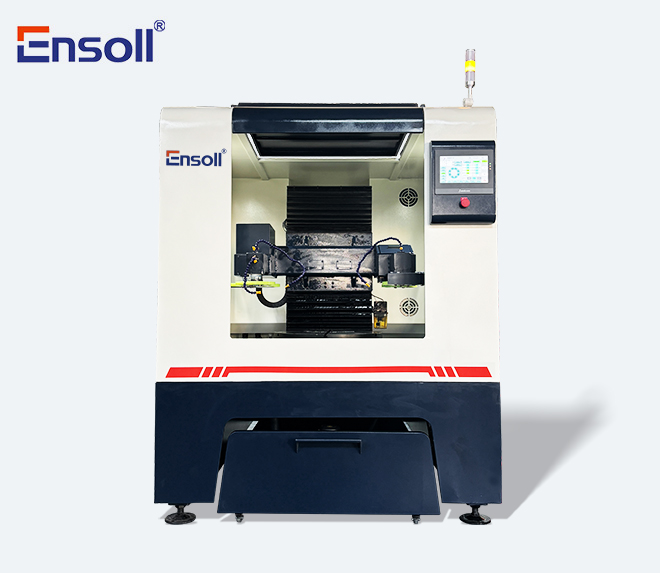
Silicon carbide (SiC) is a remarkable material known for its extreme hardness, thermal stability, and chemical inertness. However, these very properties also make it challenging—and potentially hazardous—to cut. This article explores the risks associated with processing SiC and explains why diamond wire loop cutting stands out as the safest and most efficient method compared to alternatives like laser cutting, band saws, or elliptical machines. 1.Understanding the Hazards of Silicon Carbide Processing Silicon carbide ranks 9.5 on the Mohs hardness scale, just below diamond. Its brittleness and resistance to deformation make it prone to generating sharp debris, dust, and micro-fragments during cutting. Key risks include: – Respiratory Hazards: Inhaling fine SiC dust can cause silicosis, a lung disease resulting from silica particle accumulation. – Physical Injuries: Sharp particles can cause corneal abrasions or skin cuts if proper protective gear is not used. – Thermal Damage: Traditional methods like laser cutting generate high heat, leading to thermal stress, micro-cracks, or toxic byproducts. – Material Waste: Brittle fractures from abrasive methods (e.g., band saws) can result in chipping or subsurface damage, compromising workpiece integrity. These risks necessitate not only strict personal protective equipment (PPE) but also...
Learn More