Home > Applications
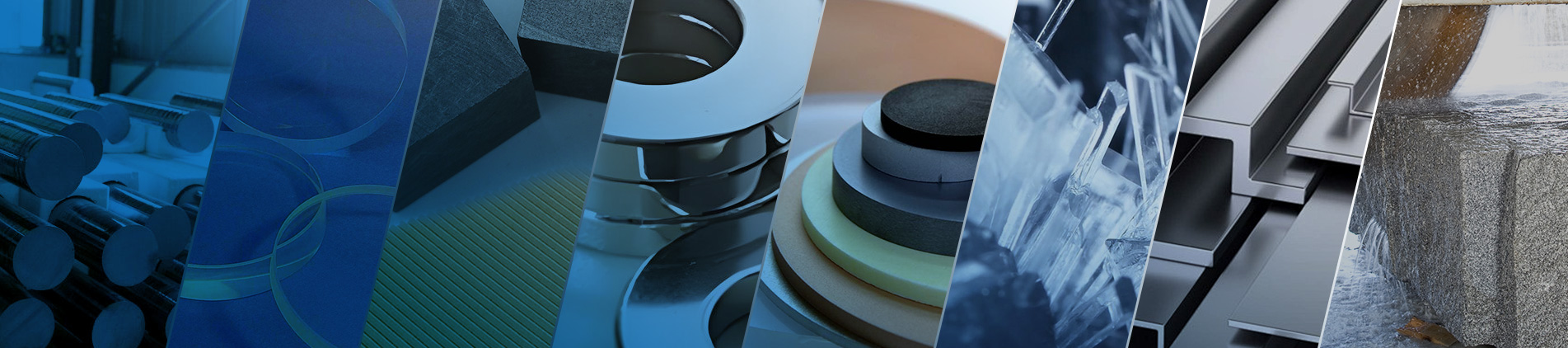
A diamond wire is not specified by the machine it runs on but by the material it has to get through. Hardness decides the diamond grit, fracture behaviour decides the bond, value per part decides how narrow the kerf has to be, and the finished edge decides how much force the process can afford. That is the order we work in, and it is the order these pages are sorted in.
Each application group below explains what the material does under a wire, which diameter and grit we would start with, and what the cut face looks like afterwards. Where a material deserves a longer treatment - loading behaviour, subsurface damage, kerf cost per square metre - it has its own page.
Material guides
Cutting something not covered here? Send a sample and we will cut it, then tell you which wire and which parameters to run.
Silicon for photovoltaic and semiconductor work is expensive, so kerf width is a direct cost. An endless diamond wire holds a narrow, consistent kerf through the rod and never reverses, which keeps the cut face free of turnaround marks. Applications in this group cover rod cropping and wafer-scale sectioning.


Optical glass fails at the edge long before it fails in the middle, and a reversing wire puts its impact exactly there. A unidirectional diamond wire keeps the force steady and the kerf narrow, so finished optical parts can be sectioned without chipping that would need reworking.


Graphite is abrasive and brittle; a blade generates dust and crushes the edge it cuts. A diamond wire removes material along a narrow path with low force, so the edge stays intact and the amount of airborne dust is reduced.


NdFeB, ferrite and SmCo are hard, brittle and prone to edge chipping. A reciprocating wire applies impact at every turnaround, and that is where edge damage starts; a continuous one-direction loop keeps the force steady through the cut.


Technical ceramics and sputtering targets are hard, brittle and often costly per piece. A diamond wire cuts them along a narrow path with low force, which limits edge chipping and keeps more of the target usable after sectioning.


Crystals are brittle and frequently high-value, so a lost part is a real cost. The continuous loop keeps wire speed and cutting force constant, which reduces micro-cracking and keeps the cut face usable rather than sacrificial.


Diamond wire cutting is used on metals where an abrasive blade would deflect, work-harden the edge or leave a heat-affected zone. The narrow kerf and low force also suit thin sections and finished parts that cannot be reworked.


Stone work ranges from slab sectioning to profiled edges on engineered surfaces. A wire follows a narrow path and can be programmed around a contour, which is where a straight blade stops being practical.


Not every workpiece fits a named material group. This section collects applications that sit outside the standard categories - composites, foam, rubber and other hard or brittle materials. If your material is not listed, a trial cut on a sample is the quickest way to establish whether wire cutting suits it.


If you have any question, please contact us