
Home > News > Industry News > Endless Diamond Wire Cutting for Glass Tubes: Precision Slicing Case Study | Ensoll
An Ensoll ESO-GM endless diamond wire cutting machine cut 3 mm-thick slices from a 12 mm OD × 104 mm glass tube with TTV below 0.028 mm, thickness tolerance within ±0.026 mm, surface roughness Ra 0.65–0.90 μm, and maximum edge chipping under 8.1 μm. The test used a fully-coated endless diamond wire loop, cutting-oil coolant, and a 26 m/s diamond wire loop speed. Results confirm that closed-loop diamond wire cutting is a stable, precision process for hard-brittle glass tubes.
European customer sample test · 5-sample TTV / thickness / Ra / chipping data tables · free sample cutting available.
Glass is a typical hard-brittle material: high hardness, low fracture toughness, and a strong tendency to chip or crack when the cutting load or local temperature rises. Tubes add a further complication—the hollow wall is sensitive to clamping force and vibration. This case study shows how Ensoll processed a European customer’s glass tube sample using an ESO-GM endless diamond wire cutting machine and a matched endless diamond wire loop.
Machine: The ESO-GM is a gantry-type endless diamond wire cutting machine designed for stable, high-precision cuts on hard-brittle parts. Its rigid cast-iron frame, downward vertical feed and mist-removal system keep the cutting zone clean and the wire path stable.
Wire: A fully-coated endless diamond wire loop was selected. The fully bonded diamond grains give stronger grain retention, reduce abnormal wear, and keep cutting action consistent throughout the test.
Coolant: Cutting oil was used to lubricate and cool the contact zone between the wire and the glass tube, reducing heat buildup that can cause micro-cracks and edge chipping.
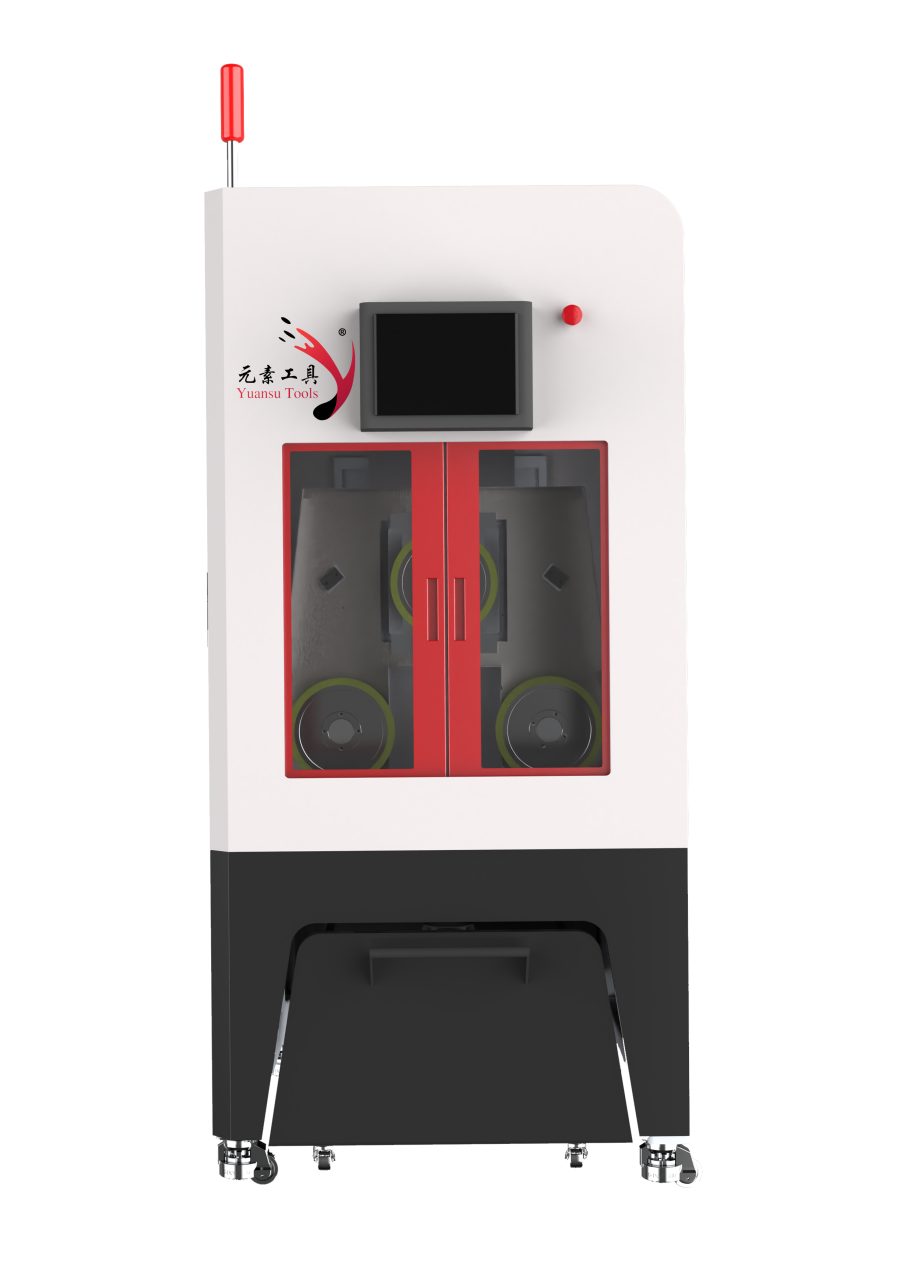
Figure 1. ESO-GM endless diamond wire cutting machine used for the glass tube test.
Gantry cutting: The gantry structure gives high overall rigidity and running stability. Top-down vertical feed keeps the diamond wire path steady, reducing positional and dimensional errors. A built-in demister removes oil mist from the cutting area.
Intelligent tension control: The system adjusts wire tension in real time and supports constant or variable tension modes. Stable tension reduces wire-path fluctuation, uneven local loading and the risk of breakage.
Wire-break memory: If the wire breaks or the machine stops unexpectedly, the control records the current cutting position and state. After re-threading, cutting resumes from the same position to avoid repeated positioning errors and material loss.
High-rigid one-piece cast frame: The cast-iron frame suppresses vibration and long-term deformation, which is especially important for brittle materials where transient vibration can initiate edge chips and micro-cracks.
| Parameter | Value |
|---|---|
| Wire diameter × loop perimeter (mm) | 0.30 × 1880 |
| Feed rate (mm/min) | 3 |
| Cutting width (mm) | 12 |
| Wire tension (N) | 145 |
| Diamond wire loop speed (m/s) | 26 |
| Tension cycle time (s) | 60 |
| Cutting torque (N·m) | 20 |
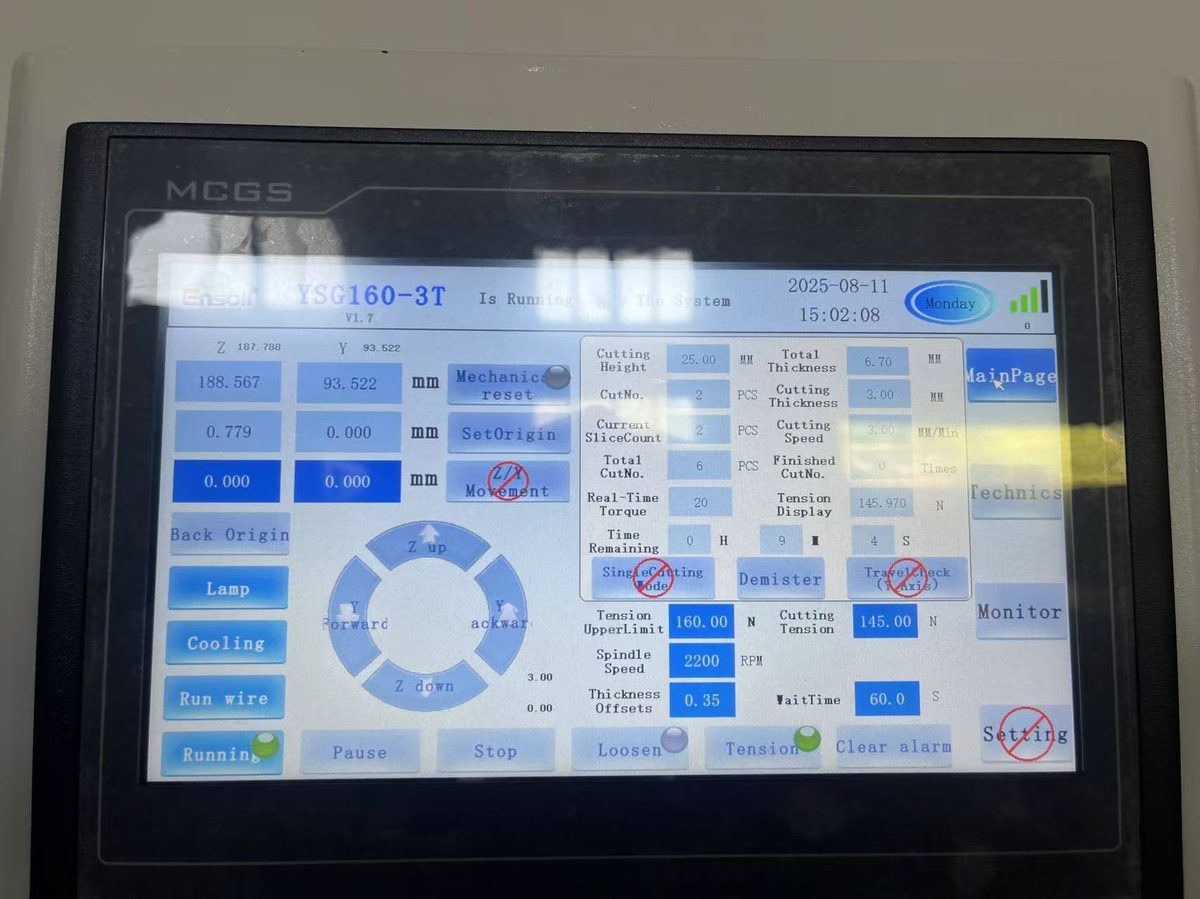
Figure 2. Cutting parameter screen from the ESO-GM control system.
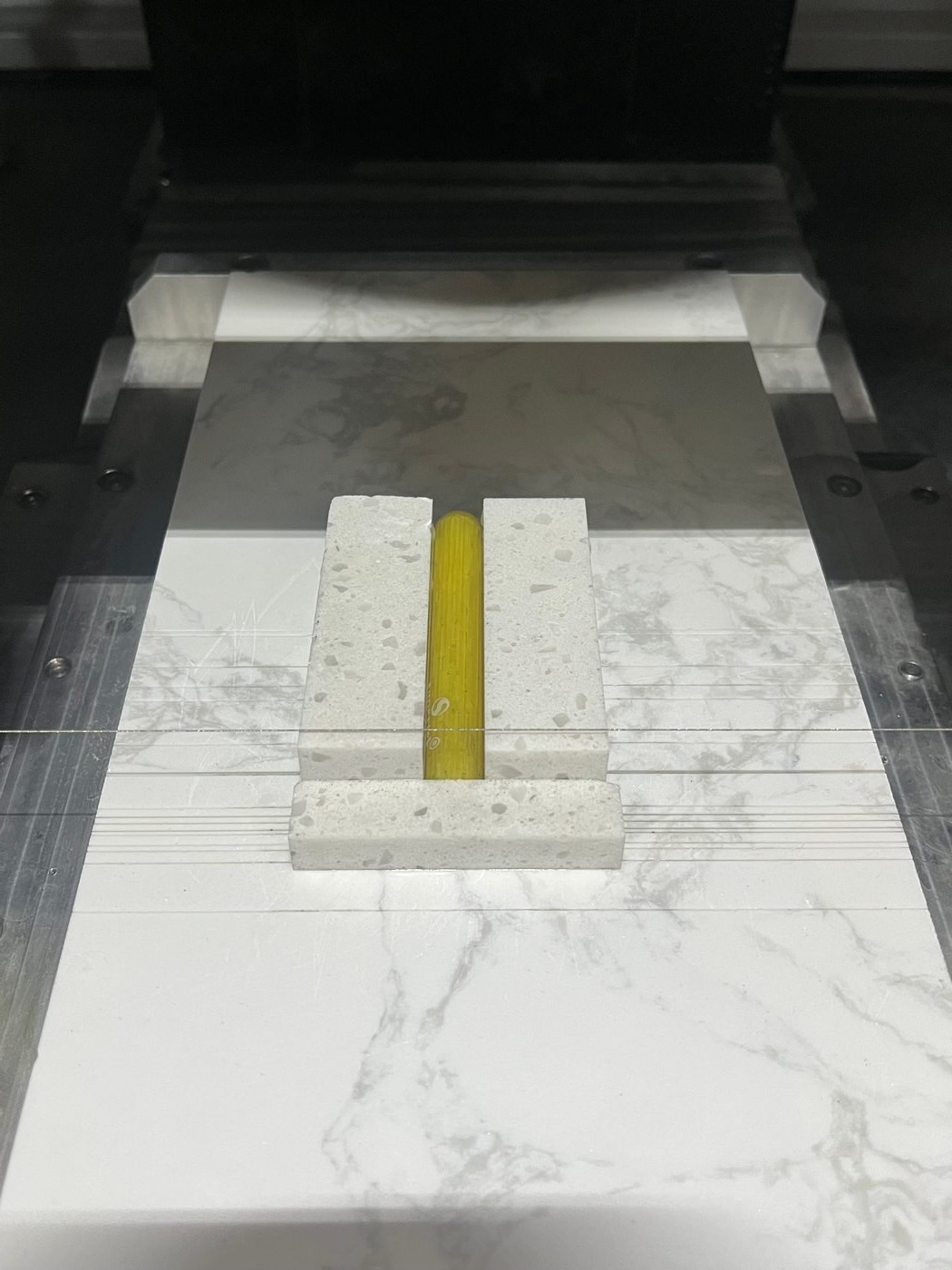
Figure 3. Glass tube clamped and sliced by the endless diamond wire loop.
TTV (Total Thickness Variation) was measured with a vacuum chuck nine-point grid and dual probes. The sample nominal thickness was 3 mm. Nine thickness readings were taken per sample; TTV equals Tmax − Tmin.
| Sample | 9-point thickness readings (mm) | Tmax | Tmin | TTV |
|---|---|---|---|---|
| S01 | 2.981, 2.971, 2.979, 2.975, 2.976, 2.977, 2.979, 2.974, 2.972 | 2.981 | 2.971 | 0.010 |
| S02 | 2.972, 2.970, 2.979, 2.974, 2.973, 2.975, 2.977, 2.972, 2.976 | 2.979 | 2.970 | 0.009 |
| S03 | 2.980, 2.977, 2.987, 2.981, 2.983, 2.979, 2.985, 2.980, 2.982 | 2.987 | 2.977 | 0.010 |
| S04 | 2.988, 2.988, 3.010, 2.991, 2.996, 2.987, 3.002, 2.982, 2.994 | 3.010 | 2.982 | 0.028 |
| S05 | 2.999, 3.003, 2.999, 3.001, 3.000, 3.002, 3.003, 2.999, 3.001 | 3.003 | 2.999 | 0.004 |
Evaluation: Five samples gave TTV values from 0.004 mm to 0.028 mm, averaging 0.012 mm. Except for S04, all samples were ≤0.010 mm, indicating stable thickness consistency during closed-loop diamond wire cutting.
| Sample | Average thickness | Thickness deviation |
|---|---|---|
| S01 | 2.976 | −0.024 |
| S02 | 2.974 | −0.026 |
| S03 | 2.982 | −0.018 |
| S04 | 2.993 | −0.007 |
| S05 | 3.001 | +0.001 |
Overall: Maximum positive deviation +0.001 mm, maximum negative deviation −0.026 mm. All slices stayed close to the 3.000 mm nominal thickness, demonstrating stable thickness control under closed loop diamond wire cutting.
Surface roughness was measured by stylus profilometry per ISO 4287 at center, left-center and right-center points on each cut face.
| Sample | Ra-1 | Ra-2 | Ra-3 | Average Ra |
|---|---|---|---|---|
| S01 | 0.72 | 0.68 | 0.75 | 0.72 |
| S02 | 0.65 | 0.71 | 0.68 | 0.68 |
| S03 | 0.78 | 0.74 | 0.81 | 0.78 |
| S04 | 0.91 | 0.86 | 0.94 | 0.90 |
| S05 | 0.63 | 0.67 | 0.65 | 0.65 |
Evaluation: Average Ra ranged from 0.65 μm to 0.90 μm. S05 gave the best surface finish; S04 showed the highest roughness and still has room for parameter optimization. Overall, diamond wire cutting produced glass-tube cut faces suitable for downstream use.
Edge chipping was measured at four positions per sample with a tool-measuring microscope after cleaning the cut edges.
| Sample | Position 1 | Position 2 | Position 3 | Position 4 | Max chipping |
|---|---|---|---|---|---|
| S01 | 4.2 | 5.6 | 4.8 | 6.1 | 6.1 |
| S02 | 3.8 | 5.1 | 4.5 | 5.7 | 5.7 |
| S03 | 4.5 | 5.9 | 5.2 | 6.4 | 6.4 |
| S04 | 5.6 | 7.2 | 6.3 | 8.1 | 8.1 |
| S05 | 3.6 | 4.8 | 4.2 | 5.3 | 5.3 |
Evaluation: Maximum chipping across the five samples ranged from 3.6 μm to 8.1 μm, averaging about 6.3 μm. These small edge defects confirm stable cutting action and good control of brittle fracture during the endless-wire process.
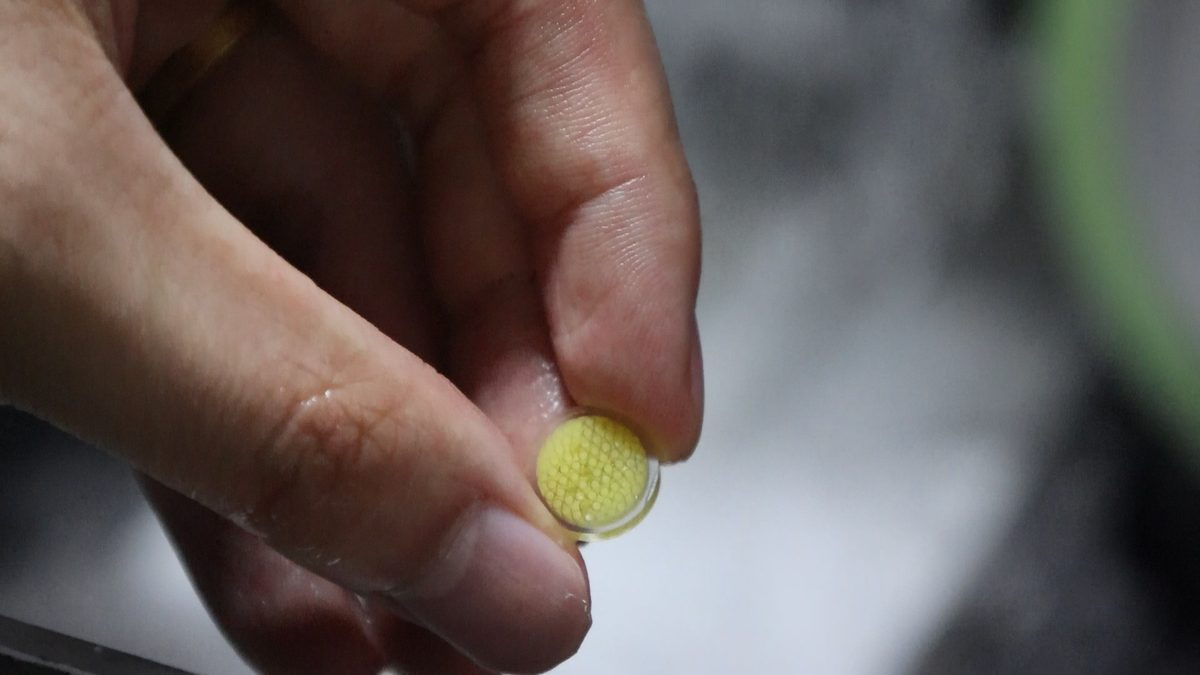
Figure 4. Cut glass tube slice after precision slicing.
The good results came from matching the right machine, the right wire and the right parameters to the material. Because glass is hard and brittle, the cutting process must keep cutting force, heat and vibration low. The ESO-GM endless diamond wire cutting machine provided a stable platform; the fully-coated endless diamond wire loop gave consistent abrasive action; and the cutting oil and 26 m/s diamond wire loop speed kept the cut zone cool.
Measured results—TTV 0.004–0.028 mm, thickness tolerance within ±0.026 mm, Ra 0.65–0.90 μm and maximum edge chipping below 8.1 μm—show that closed loop diamond wire cutting can meet the requirements of precision glass tube slicing.
Q1: Can an endless diamond wire cutting machine cut glass tubes?
Yes. The Ensoll ESO-GM is an endless diamond wire cutting machine designed for hard-brittle materials. In this test it cut 3 mm-thick slices from a 12 mm OD glass tube with stable thickness and low edge chipping.
Q2: What diamond wire loop speed was used for glass tube cutting?
The test ran the endless diamond wire loop at 26 m/s, with a feed rate of 3 mm/min and a wire tension of 145 N. This combination produced low cutting force and controlled heat input.
Q3: What surface finish can diamond wire cutting achieve on glass?
The measured surface roughness ranged from Ra 0.65 μm to 0.90 μm across five samples, measured per ISO 4287 by stylus profilometry.
Q4: What edge chipping can be expected when cutting glass tubes?
Maximum edge chipping at four measured positions per sample ranged from 3.6 μm to 8.1 μm, averaging about 6.3 μm.
Q5: How can I get a sample cutting evaluation for my glass parts?
Send Ensoll your material or drawing for a free trial cut. We return the cut parts with surface-quality data and a wire-life estimate. Call or WhatsApp +86-19937798228 to arrange a diamond wire loop cutting service evaluation.
Related: Endless diamond wire cutting machine · Endless diamond wire loop · Closed loop diamond wire · Diamond wire loop price guide
Need a free sample cut on your glass or brittle material? Call or WhatsApp +86-19937798228 and send us your material for a no-cost trial cutting evaluation.
If you have any question, please contact us